David Stairs
For years I’ve had a running debate with my friend Arvind Lodaya. I live in Michigan, Arvind in Bengalaru. But for a time I too was a Bangalorian, an outsider bringing my Western biases to the south Indian digital capital.
The debate is one some would consider too personal, involving, as it does, habits of intimate hygiene. It is based upon a simple question: Do you wipe or wash? And it wouldn’t arise at all if not for the fact that Indians and Americans have such differing approaches to personal cleanliness.
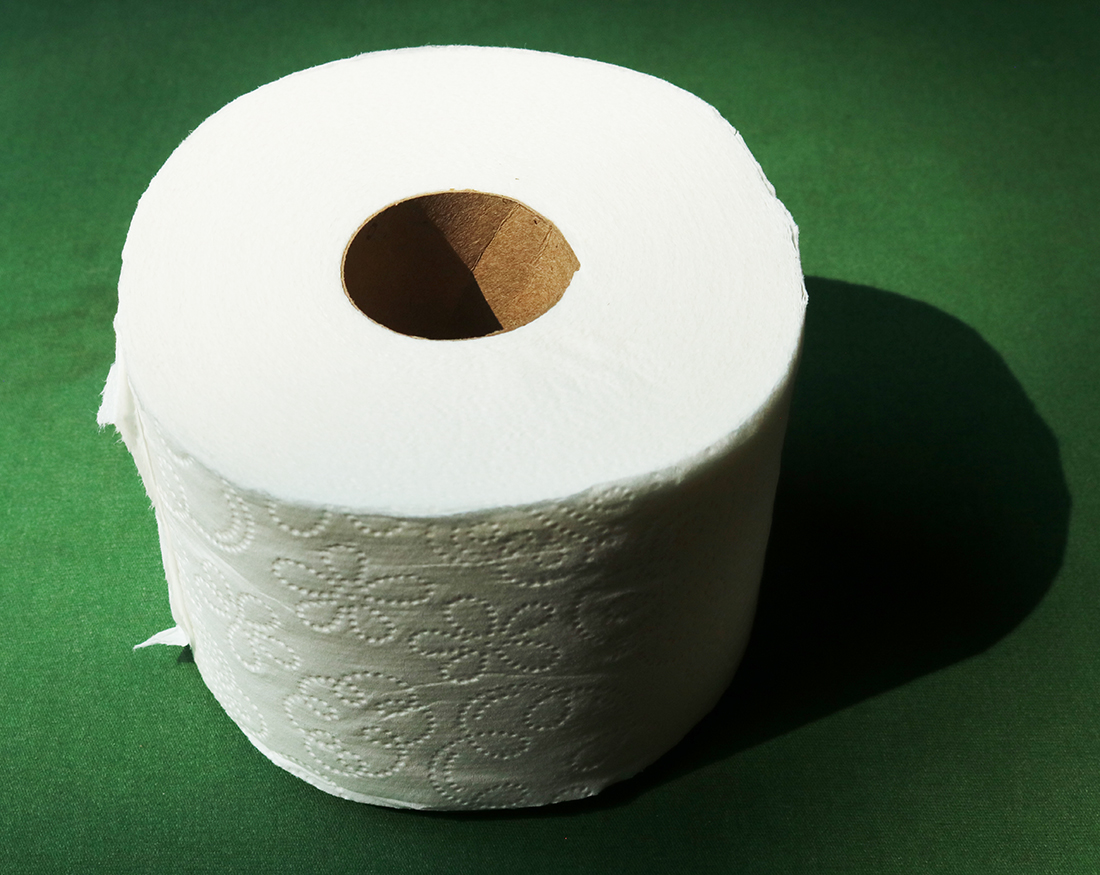
When I was growing up to “get tee-peed” meant one was a victim of a mildly annoying teen age prank, having one’s property vandalized with ropes of toilet paper. It’s a thing that has been going on for as long as toilet paper has been generally available. According to Google, the first reference in print of this prank is from a “May 1963 letter published in the Ottawa Herald (Ottawa, Kansas)” of a man complaining about his house being targeted.
It’s not likely that early inventors foresaw this possibility, especially the 14th century Chinese, who produced perfumed paper sheets for the Imperial Court. The modern inventor, Joseph Gayetty, produced aloe-infused sheets in 1857 as an aid to hemorrhoid sufferers, while Seth Wheeler patented the concept of rolled, perforated paper in 1883, a concept popularized by Clarence and E. Irvin Scott in the 1890s.
The per capita American use of toilet paper is 23 rolls, amounting to over 7 billion rolls sold per year. Most TP is made from virgin forests, making deforestation an issue for those protesting continued and expanded use.
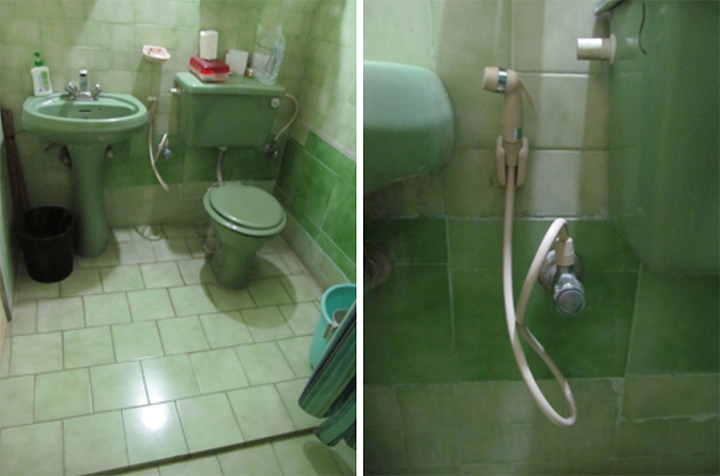
An Indian bathroom
This is the crux of my debate with Arvind. I have been socialized in the wasteful American habit of TP use, but Indians wash after bowel movements, using bidet-attached hoses available in most Indian bathrooms. This can be a surprisingly messy inconvenience to an unsuspecting American traveler. Arvind maintains it is personally cleaner and less stressful to the environment. I suggest that it is more likely, when combined with inadequate handwashing, to result in cholera epidemics, although India’s 4x greater population may be an argument favoring environmental stress.
I doubt Arvind and I will ever agree on this one, although there is one thing I will accede to my friend— in Bangalore he is about 23 rolls per-capita less likely to have his house TP’d. And that’s worth boasting about.
David Stairs is the founding editor of the Design-Altruism-Project.